Buyer-First Brand Directory
Best home generator brands for 2026, sorted for real buyers.
Compare 13 brands by lane, machine price, fuel, and who each one actually fits. Every profile is built to shorten your shortlist, not add more noise.
- Brands
- 13
- Lanes
- 4
- Sourced flaws
- 34
Editor’s Picks 2026
The best home generator brands for 2026
Five brands worth your shortlist, picked from the 13 we cover. We did the homework so you do not have to compare a dozen spec sheets. If a brand is not here, it usually means the watts, the warranty, or the service network did not survive scrutiny.
 Generac
Best Overall Standby
Generac
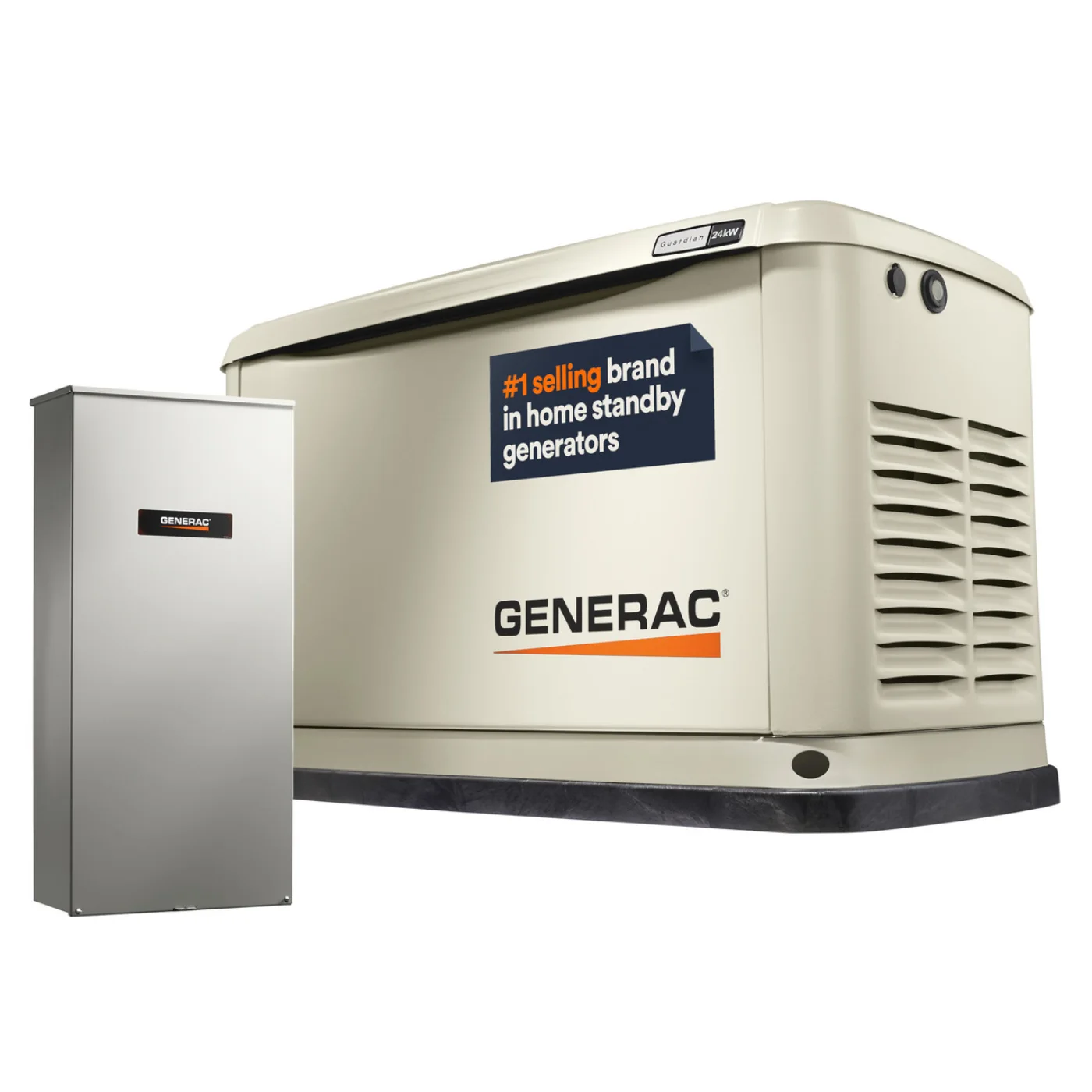
The default in US home standby, with the biggest dealer and parts network in the country and the widest kW range. You pay for the badge on some quotes and the weekly self-test is not silent, but it is the choice you are least likely to regret when something needs service in year six. Machine $3,000 to $6,000; installed $12,000 to $18,000.
Standby projectRead verdict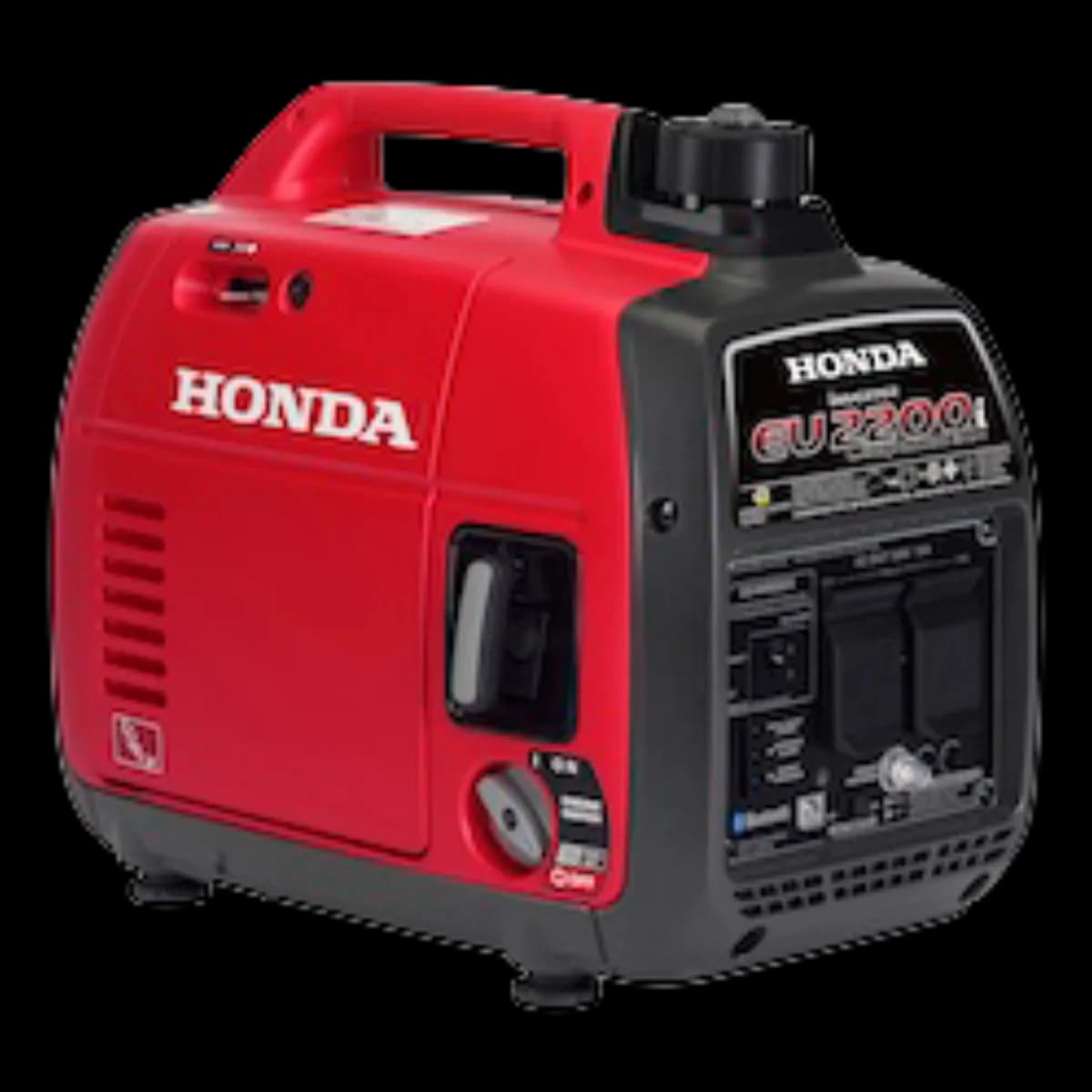 Honda
HondaBest Inverter
Honda
The EU line is the portable gold standard: quiet, clean power that is safe for electronics, and legendary reliability that holds resale value for a decade. You pay roughly double per watt for it, and for pure storm duty a dual-fuel open-frame gives more watts per dollar.
Premium portableRead verdict Champion Power Equipment
Best Value
Champion Power Equipment
The most storm-duty machine per dollar, with a real company behind the warranty and the category’s longest standby coverage (10 years on the aXis line). The dual-fuel portables run gasoline or propane, which solves the stale-fuel problem that kills most generators in storage.
ValueRead verdict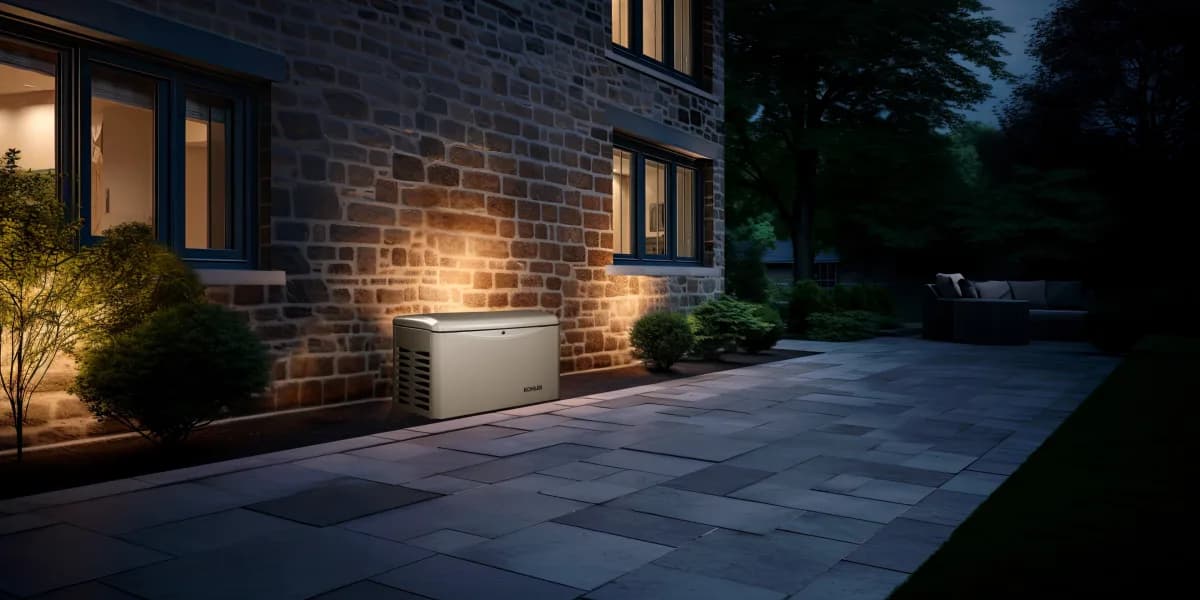 Kohler
Best Challenger
Kohler
The brand to quote against Generac: a quieter self-test, an all-aluminum enclosure, and a 5-year warranty that covers parts, labor, and travel. The dealer network is thinner in some regions, so check local service coverage before you sign.
Standby projectRead verdict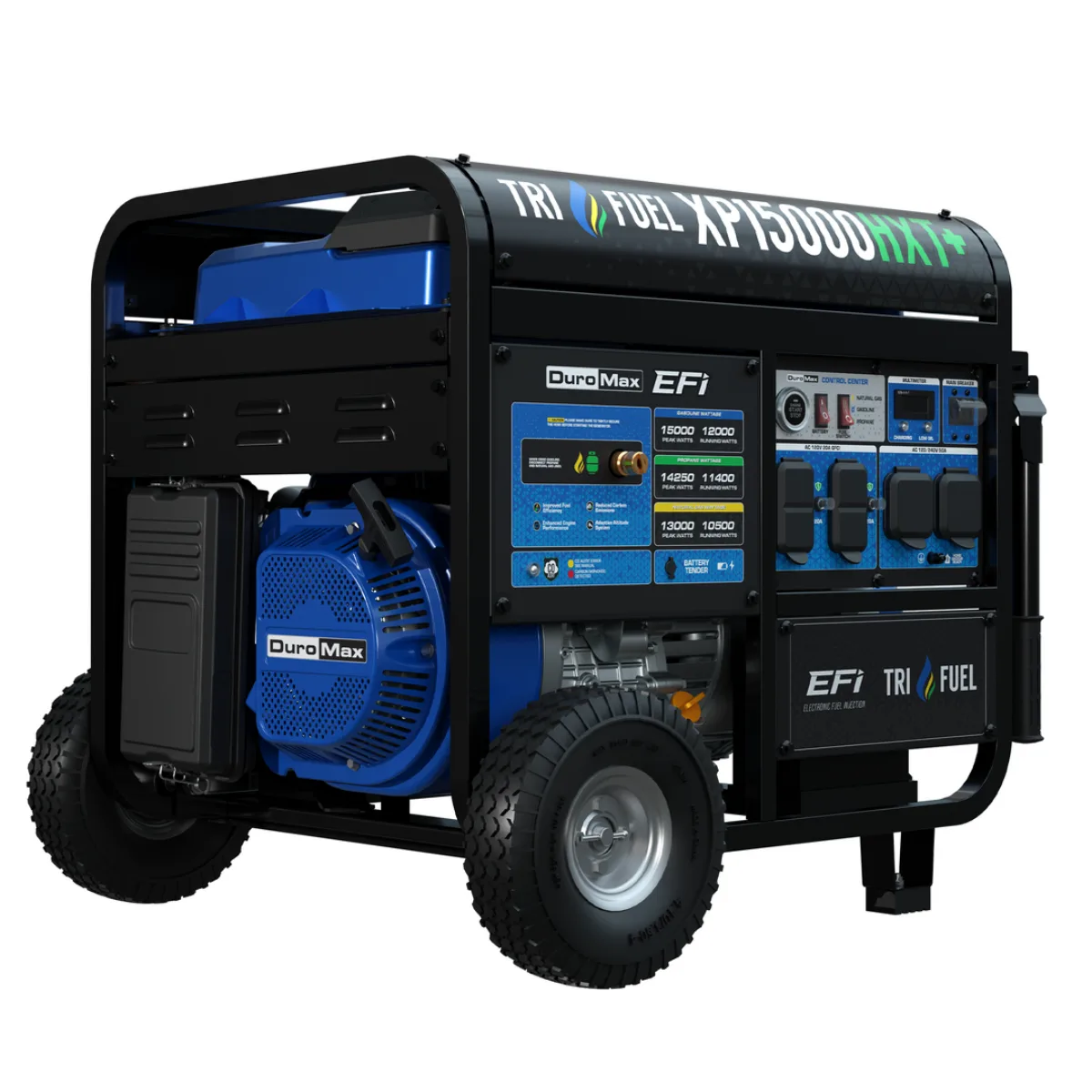 DuroMax
Best Big power
DuroMax
Dual-fuel wattage monsters: 13,000 starting watts for around $1,300 buys enough capacity to start a well pump and keep the essentials running. Louder and heavier than the premium names, but for hurricane-belt homes on a budget the math is hard to argue with.
ValueRead verdict
No marketplace no-names on purpose. Below the credible tier you are almost always buying wishful surge watts and a warranty email that bounces. See the buying regrets guide for how that plays out.
All 13 generator brands we cover
Filter by lane to narrow the shortlist. Every card links to the full verdict, sourced price, strengths and caveats.
Generac
$4,189 - $9,319The US home standby default, roughly 70 percent of the market by most industry estimates, with the biggest dealer and parts network and a recall and complaint file to match.
Kohler
$3,834 - $8,399The challenger: parts, labor and travel all covered for five years and a quieter low-speed self-test, but fewer installers will bid your job than with Generac.
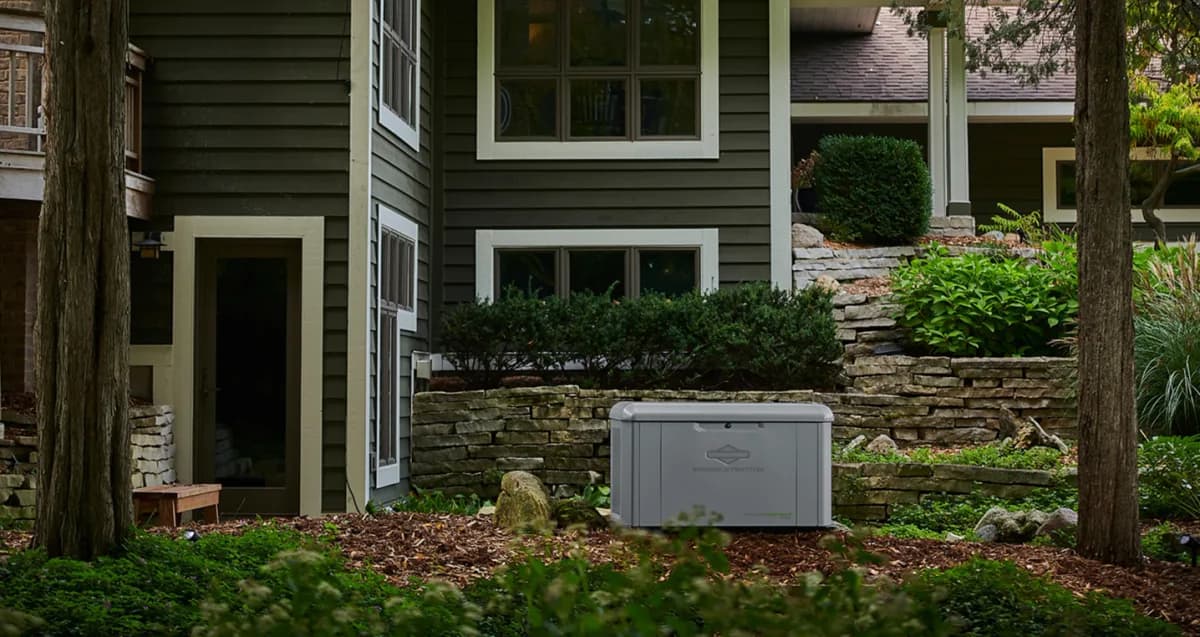
Briggs & Stratton
$4,460 - $9,287The value pick of the big standby names, now with a 7-year standard warranty, from a company that went through Chapter 11 in 2020 and came out under new ownership.
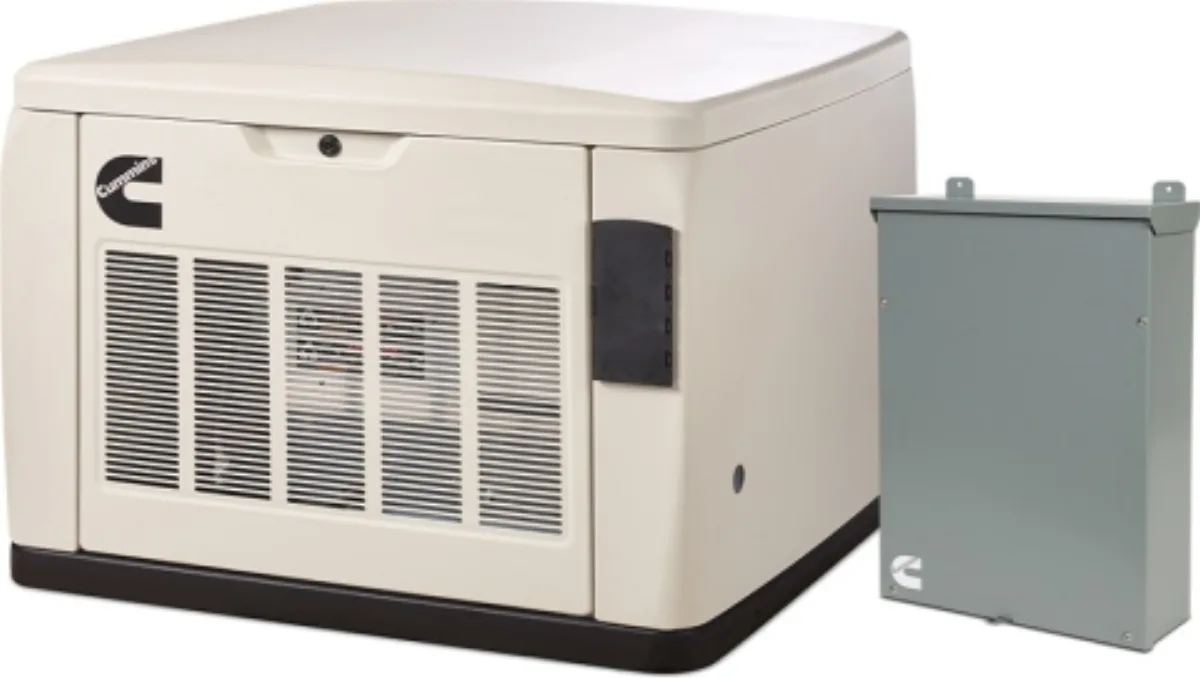
Cummins
$3,699 - $6,000QuietConnect is the quietest name in the class at 65 dB and carries a diesel giant's engineering, but covered labor stops at year two and residential dealers are scarcer.
Champion Power Equipment
$733 - $5,787The warranty-math brand: honest dual-fuel portables from about $730 and aXis standbys with a 10-year warranty, all backed by a phone queue instead of a dealer network.
Honda
$1,199 - $4,999The inverter gold standard: quietest, most reliable, best resale, and roughly double the price per watt of the dual-fuel value brands, gasoline only.
Westinghouse
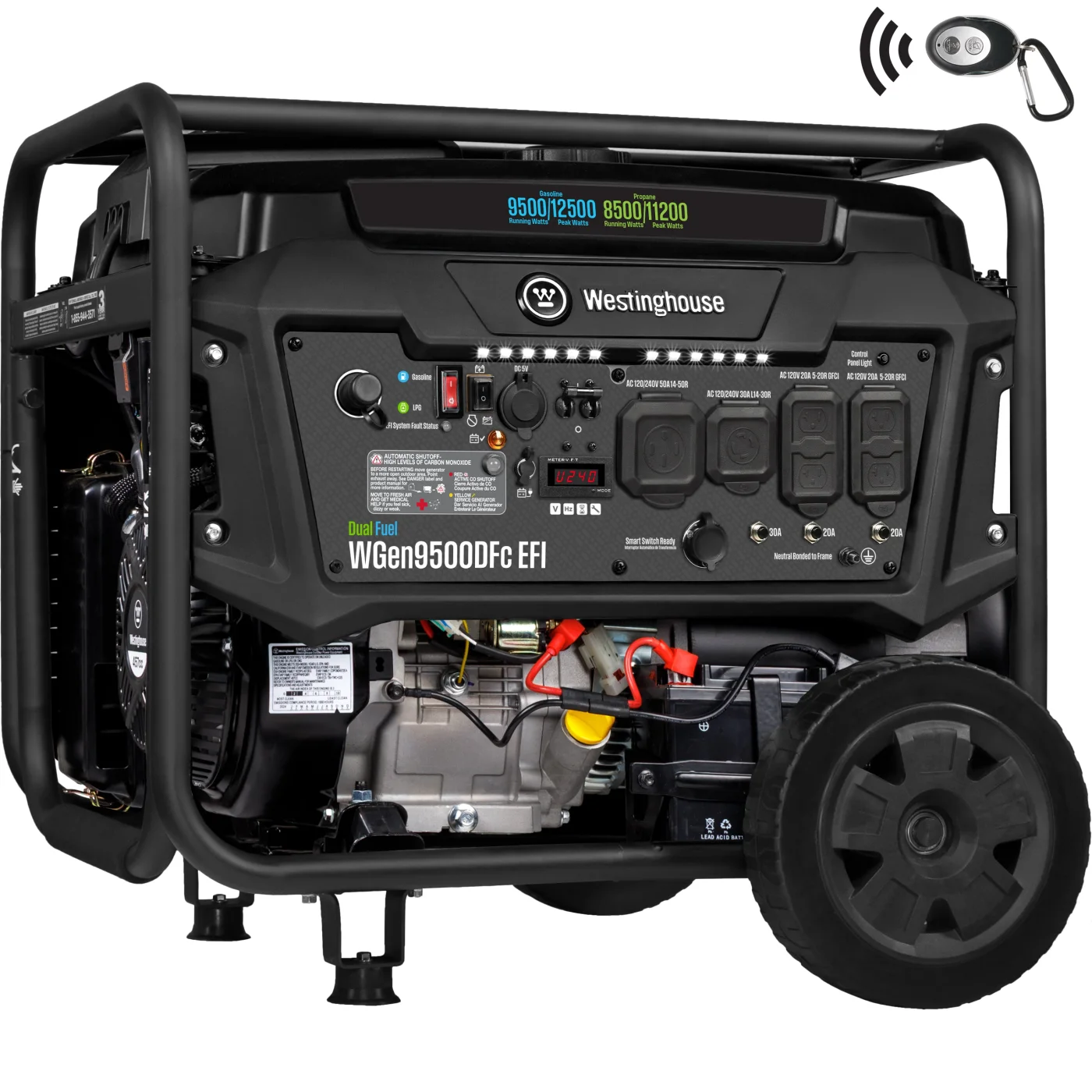
$499 - $3,499The most running watts per dollar in dual-fuel portables, with a documented pattern of warranty support not answering when you finally need it.
DuroMax
$549 - $3,499Big dual-fuel and tri-fuel wattage per dollar with a 5-year warranty on the HX lines; loud, heavy, and support gets thin after the sale.
Jackery
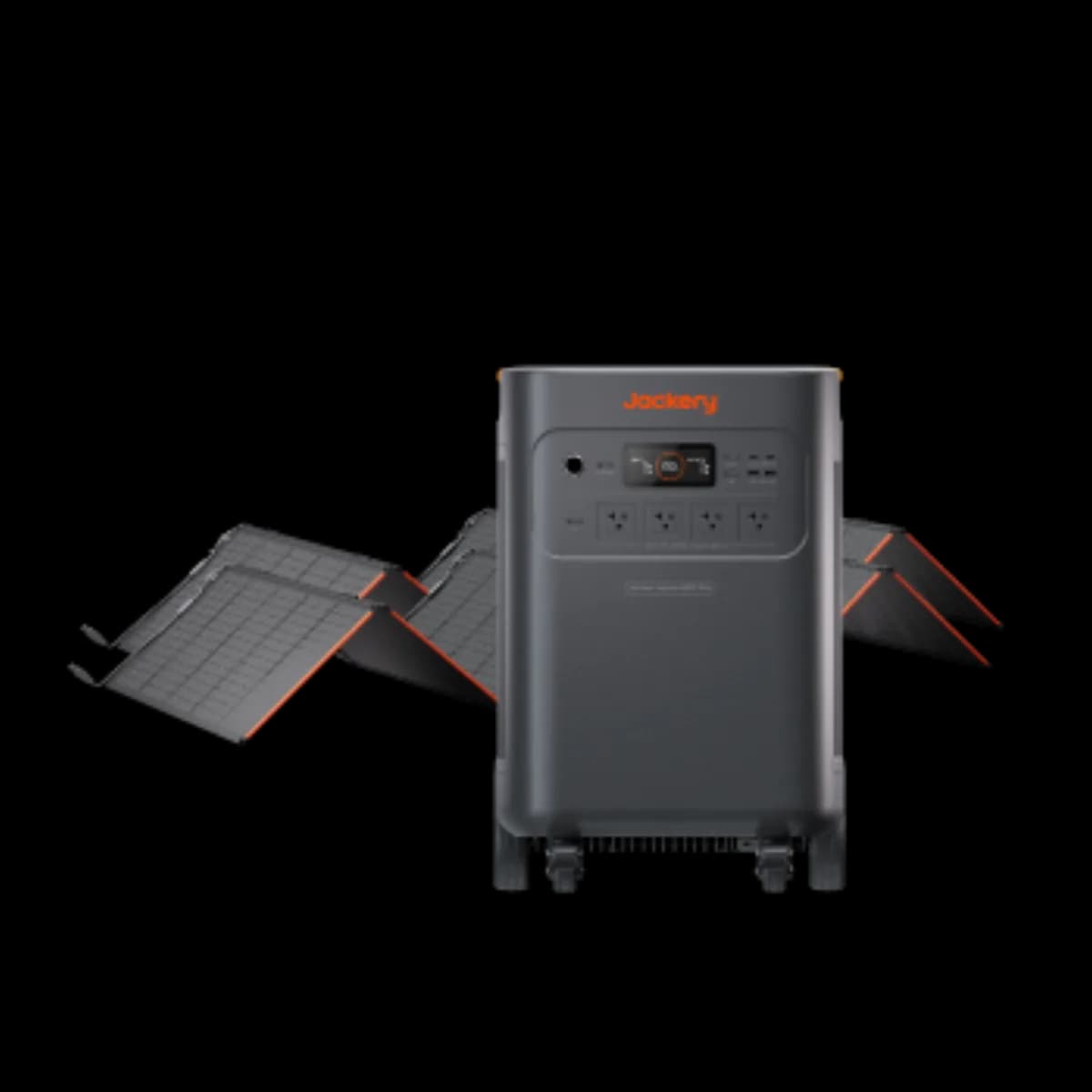
$429 - $2,499The most searched battery backup brand in the US, strongest at the small end where a first-time buyer wants a fridge and a phone kept alive without a gas can.
EcoFlow
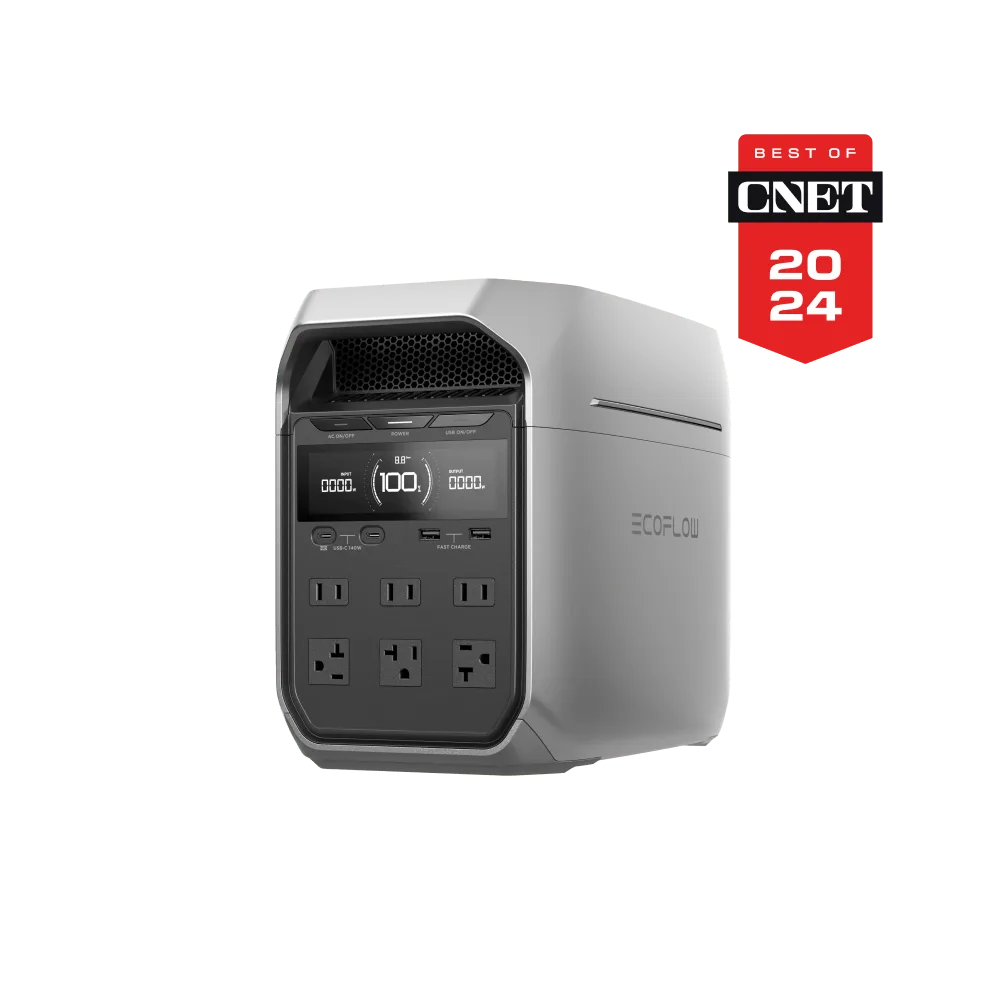
$629 - $2,799The battery lane's volume brand: silent, fume-free backup you can run indoors, sized for essential circuits rather than the whole house.
Predator
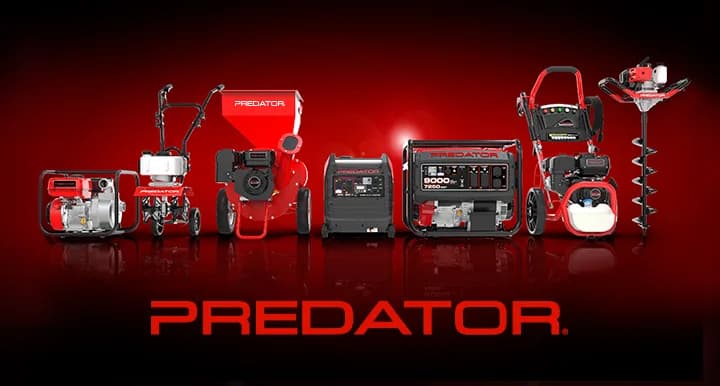
$780 - $1,650The most watts per dollar in the category, sold in one chain, backed by 90 days of warranty. That last number is the whole decision.
FIRMAN
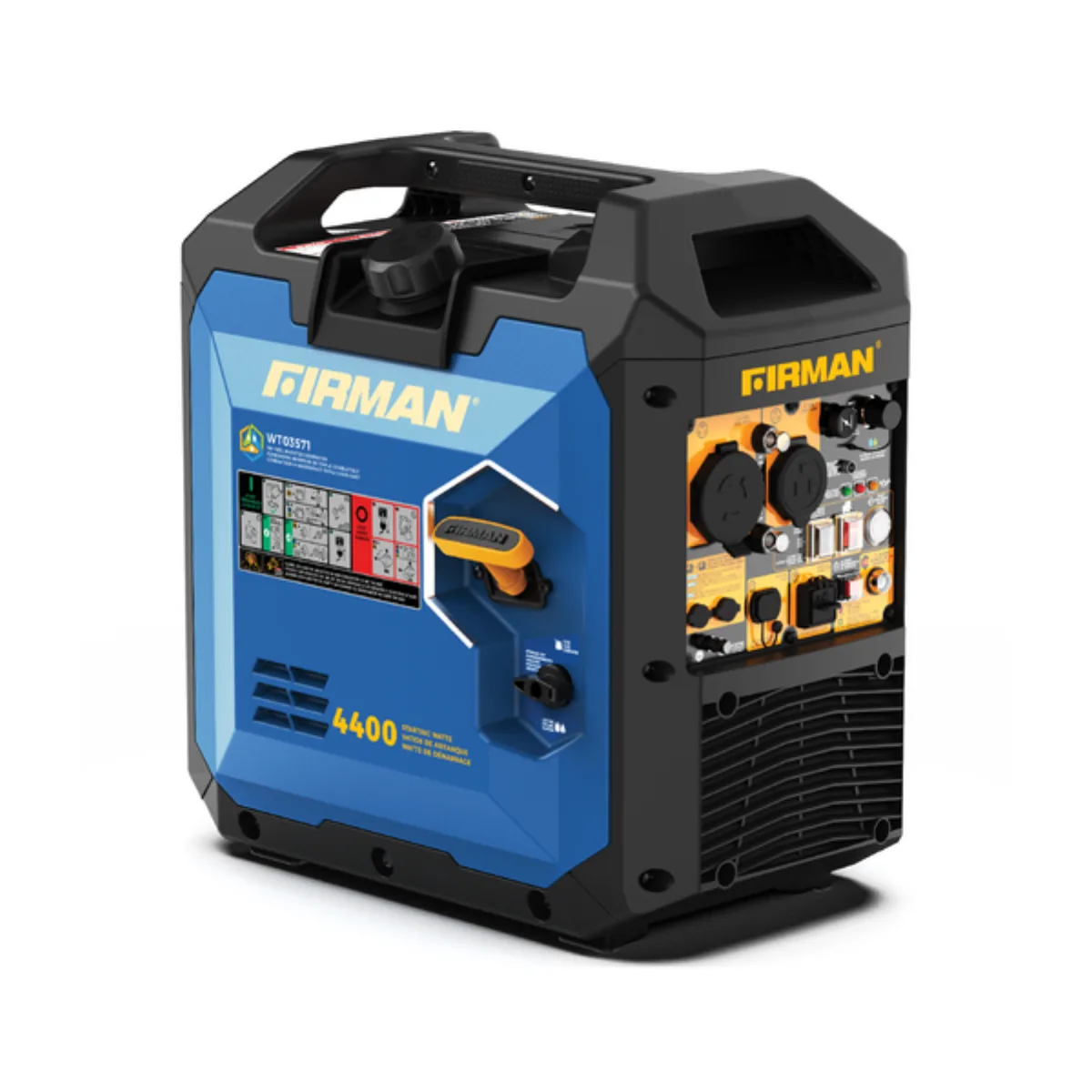
$900 - $4,700The value brand that did not cut the warranty: three years, tri-fuel across most of the range, and prices between Predator and Champion.
Pulsar
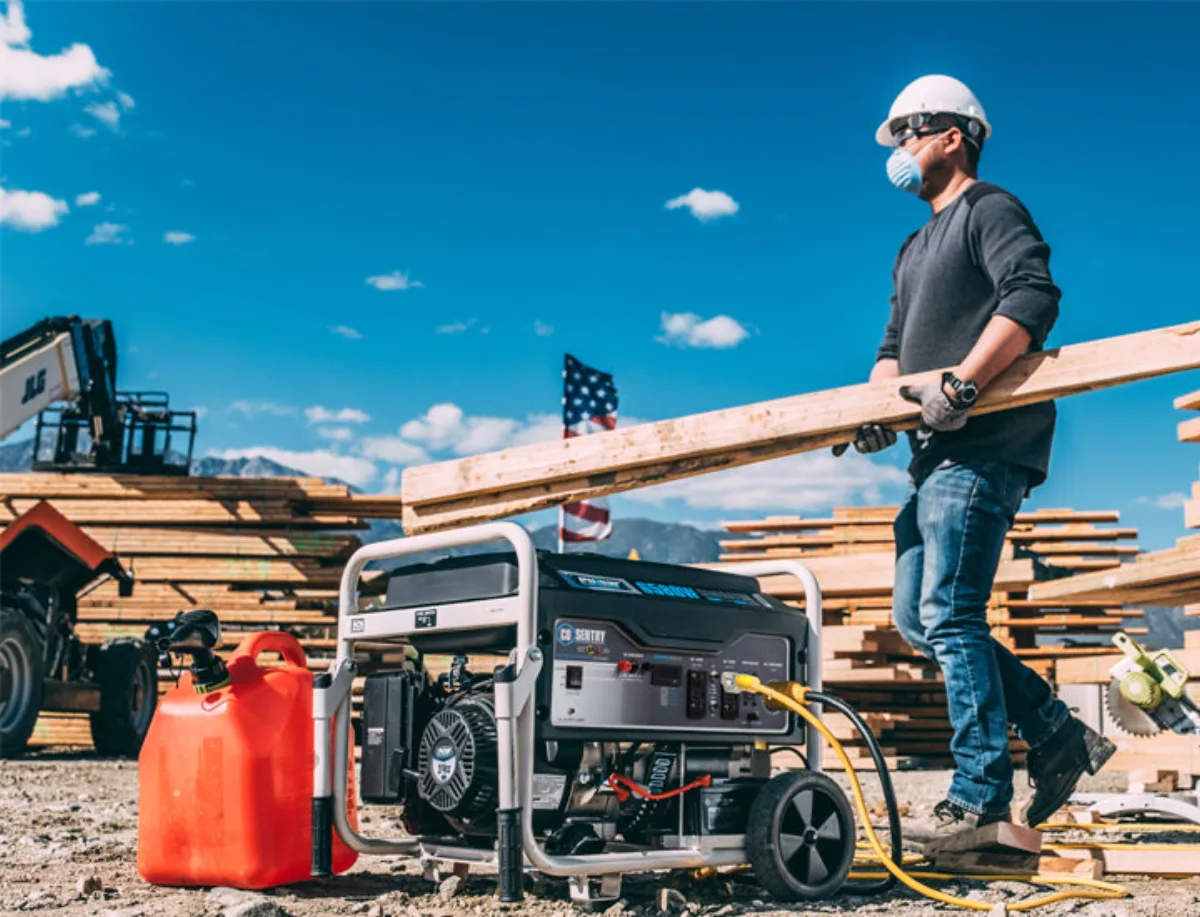
$529 - $3,099The widest dual-fuel price ladder in the value tier, from a $529 inverter to a $3,099 15kW, with CO shutoff on nearly every current model.
Compare all 13 side by side
| Rank | Brand and verdict | Machine price | Fuel | Warranty |
|---|---|---|---|---|
| 1 | Generac | $4,189 - $9,319 | Natural gas or propane | 5 years limited |
| 2 | Kohler | $3,834 - $8,399 | Natural gas or propane | Premium five-year limited warranty |
| 3 | Briggs & Stratton | $4,460 - $9,287 | Natural gas or propane | 7 years parts, labor and travel standard |
| 4 | Cummins | $3,699 - $6,000 | Natural gas or propane | 5 years or 2,000 hours |
| 5 | Champion Power Equipment | $733 - $5,787 | Gasoline or propane | 10 years on the aXis standby, the longest standard standby coverage on the market; 3 years on portables, plus lifetime technical support. |
| 6 | Honda | $1,199 - $4,999 | Gasoline | 3 years residential, serviced through Honda's dealer network. |
| 7 | Westinghouse | $499 - $3,499 | Gasoline or propane | 3 years residential limited, plus lifetime technical support on paper. The FTC forced removal of terms that voided coverage over independent repairs. |
| 8 | DuroMax | $549 - $3,499 | Gasoline or propane | 3 years residential standard; 5 years residential on the HX, HXT and iH premium lines. Coverage is parts-focused, with no service-call provision. |
| 9 | Jackery | $429 - $2,499 | Battery | 5 years on current models bought directly from jackery.com, which includes a 2-year extension over the base term. |
| 10 | EcoFlow | $629 - $2,799 | Battery | 5 years on current DELTA models. |
| 11 | Predator | $780 - $1,650 | Gasoline or propane on the dual-fuel models, gasoline on the larger inverters | 90 days on the product, 2 years on the emissions control system. |
| 12 | FIRMAN | $900 - $4,700 | Dual fuel | 3 years on new generators. Refurbished units carry 90 days. |
| 13 | Pulsar | $529 - $3,099 | Dual fuel | Confirm the warranty term with the seller before buying. Pulsar does not state it clearly on the product pages, which is itself worth knowing. |
Machine price, fuel, and warranty in one row each. Filter by lane to narrow the shortlist. Standby installed projects run $12,000 to $18,000 on top of the machine. Last data pass: August 17, 2026.
No marketplace no-names on purpose. Below the credible tier you are almost always buying wishful surge watts and a warranty email that bounces. See the buying regrets guide for how that plays out.
How we rank
What these rankings are built on
Every profile is researched from 31 sources across the 13 brands: manufacturer spec sheets, warranty documents, and dealer service terms. We also publish 34 sourced weaknesses, because the flaw a brand leaves off its own page is the one that decides whether you regret the purchase.
We do not sell generators and we take no money to rank one brand over another. We may earn an affiliate commission if you buy through some links, at no cost to you, and it never changes the verdict. See our editorial policy and affiliate disclosure.
- 1.Brands are ranked inside a lane, never across lanes. A portable inverter and a whole-house standby answer different outage patterns and do not compete on one list.
- 2.Prices are machine prices from current listings. Standby installs add the transfer switch, pad, gas line, permit, and electrician, and that is where the budget goes.
- 3.Wattage claims are read as running watts, not surge. A starting-watt headline that cannot hold a load is the most common way a generator disappoints.
- 4.Carbon monoxide guidance stays conservative regardless of brand: placement distance, interlock or transfer switch, and never inside a garage.
Buying guides
Go deeper on specific budgets, lanes, and head-to-heads.
Best Standby Generators
The whole-house roundup before you go deep on any single brand.
Real Installed Costs 2026
Machine, pad, gas line, transfer switch, permits. The whole invoice.
Best Portable Generators
What real value looks like below the standby tier.
Generator Sizing Guide
Running watts, start surges, and why the well pump decides.
Generac vs Kohler
The two standby names most buyers end up between, head to head.
Inverter vs Open-Frame
The distinction buyers learn after purchase, taught before.
Standby vs Portable
The lane decision, keyed to your outage pattern.
Generator Buying Regrets
The mistakes real buyers wish they had avoided.
Frequently asked questions
Which home generator brand should I actually buy?
It depends on your lane. For whole-house standby, Generac is the default for a reason (the biggest dealer and parts network in the country) and Kohler is the challenger worth quoting against it. For quiet portable power that is safe for electronics, Honda’s EU inverter line is the gold standard. For storm-duty value, Champion, Westinghouse, and DuroMax dual-fuel portables give you the most machine per dollar. Whatever the badge: a standby machine is $3,000 to $6,000 and the installed project typically runs $12,000 to $18,000.
Is Generac worth it compared to Kohler?
Both are credible, and installed costs land in the same $12,000 to $18,000 band. Generac buys you the largest installed base, dealer network, and parts availability. Kohler counters with strong warranty terms (5 years including parts, labor, and travel) and a quieter self-test. If your area has a strong Kohler dealer, quote both and let service coverage decide. If dealer density is thin where you live, Generac usually wins on practicality.
Are cheap generators worth it, or a waste of money?
A no-name "10,000W" open-frame from a marketplace listing is usually rated in surge watts it can hold for seconds, backed by a warranty email that bounces. That tier is a waste. Credible value looks like Champion, Westinghouse, or DuroMax dual-fuel portables in the $500 to $1,400 range, plus a $400 to $850 interlock install so the power reaches your panel legally. That setup covers most occasional-outage homes for under $2,500 all-in.
Which generator brand has the best warranty?
On standby machines, Champion’s aXis line leads the category with a 10-year limited warranty, ahead of Briggs & Stratton at 7 years and Generac and Kohler at 5 (Kohler’s covers parts, labor, and travel). Portables mostly carry 3-year warranties across Honda, Westinghouse, Champion, and DuroMax. Warranty length is a real signal, but who answers the phone matters as much: check dealer and service coverage in your area before you weight it too heavily.
Are expensive standby generators actually worth it?
A standby earns its $12,000 to $18,000 installed cost when your outages run days, your house has loads that cannot wait (well pump, sump, medical equipment, home office), or you need the power back on when you are not home. If your power fails a few hours a couple of times a year, a $700 dual-fuel portable with an interlock, or a home battery for silent short outages, solves the same problem for a fraction of the money. The machine is rarely the question; your outage pattern is.
Get the generator buying guide.
Real installed costs, straight brand comparisons, and the buying mistakes to avoid before you spend thousands.