
We don't sell generators.
We save you from buying the wrong one.
The independent guide to backup power at home. What it actually costs installed, what actually matters, and what everyone gets wrong.
Just starting your generator research?
Real installed costs, real tradeoffs. Three short emails, no spam.
Already got a quote? Get a free read on it
Start here
Four useful paths. Pick the question you have now.
Sound familiar?
You've had 47 tabs open since the lights came back.
It started with an outage. Three days on a cooler full of ice and a phone at 4 percent, or one long night listening to the neighbor's generator hum while your house sat dark. You said never again. Now it's 11pm and you're deep in spec sheets trying to figure out if a $6,000 Generac is actually better than a $4,800 Kohler, and what a transfer switch even does.
Here's the thing. Most “best generator” lists are written by companies that sell generators, or by affiliate sites ranked by commission rate. The dealers quote you after you hand over your phone number. And the spec sheets are written in wishful watts.
Because for a standby generator, the machine is half the project. The concrete pad, the gas line, the transfer switch, the permits, and the two trades that install it all are the other half, and the product page mentions none of it.
The quote that doubled
A $6,000 machine becomes a $14,000 project once the pad, gas line, transfer switch, permits, an electrician, and a plumber land on the invoice. Buyers who budgeted off the product page get their real number after the deposit.
The wishful watts
A "10,000W" badge on a rebadged import often measures a surge the machine holds for seconds, not the power it delivers all night. Same factory, forty different "brands", rented review counts. When the well pump kicks on, the wishful watts fold.
The year-3 no-start
Generators fail quietly, in storage. Stale fuel gums the carburetor, the battery dies, and nobody load-tested it since delivery. The most expensive generator is the one that doesn't start the night you need it.
Close the other tabs
Everything you need, before you sign anything.
We spent the hours so you don't have to. Read any of it free, and get the 3-email buyer's pack if you want the short version delivered.
What it actually costs installed
The real numbers for 2026. The machine, the pad, the gas line, the transfer switch, the permits, and the maintenance contract nobody mentions. Real installed budgets from $700 portable setups to $18,000 whole-house projects.
Read the guide →Which setup fits your outage pattern
Standby, portable with an interlock, or a home battery? There's no "best" generator. There's the right answer for how often your power actually goes out, and for how long. We map all three lanes with real prices.
Read the guide →What everyone gets wrong
The mistakes owners report over and over: quotes that doubled, watts that folded, fuel that went stale, and the maintenance that never happened. Plus the setups we'd actually buy at each budget.
Read the guide →Just starting your generator research?
Real installed costs, real tradeoffs. Three short emails, no spam.
Already got a quote? Get a free read on it
Why listen to us? We don't have a generator to sell you.
No skin in the game
We don't sell generators. We're not a dealer, and no brand backs this site. When we say a $700 portable plus a $600 interlock beats a $15,000 standby for your outage pattern, it's because it does.
We did the homework
We read the owner groups, the install-quote threads, the electrician forums, the warranty complaints, and the manufacturer spec sheets. We track sourced weaknesses per brand, not just the marketing page.
We name the junk
Most sites won't tell you that dozens of open-frame "brands" are the same factory product wearing invented names and wishful watts. We will, out loud, with the pattern to spot it yourself. When a good machine is overpriced, we say that too.
“The right generator is the one that starts when the grid doesn't.”
We'll help you pick the one that will.
When you're ready to buy
The brands worth your shortlist.
We reviewed the home generator market so you don't have to. Here's where a serious buyer starts.
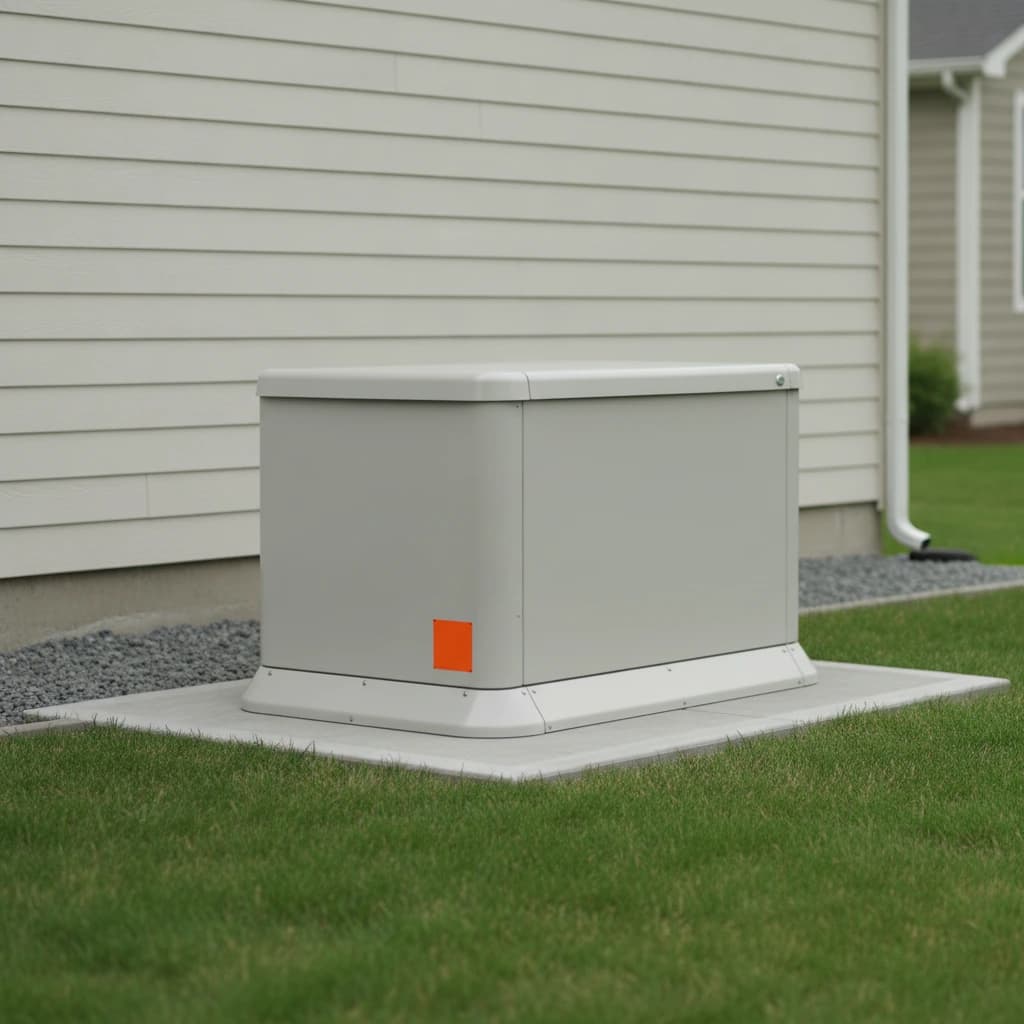
Generac
USA · StandbyThe default in US home standby, with the biggest dealer and parts network in the country. Machines run $3,000 to $6,000. The install roughly doubles it.
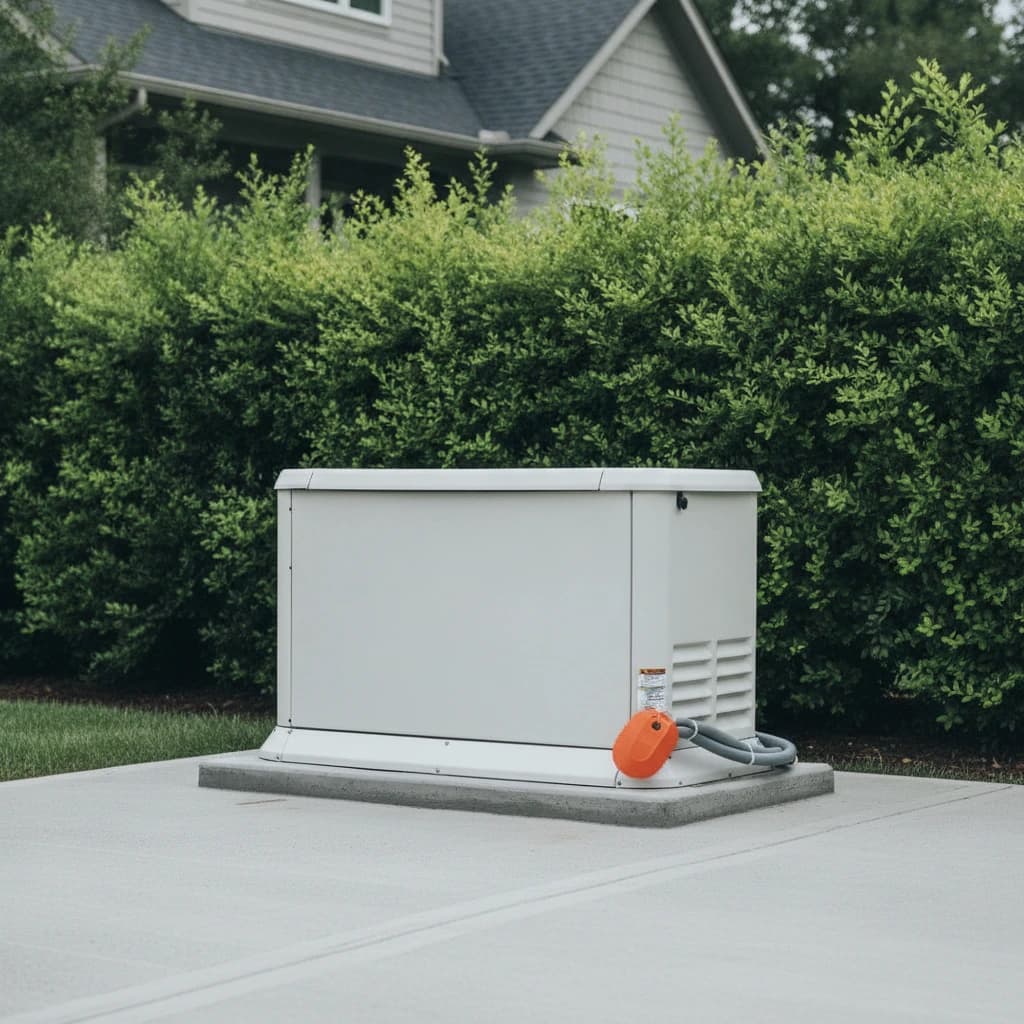
Kohler
USA · StandbyThe challenger worth quoting against Generac: quieter self-test, strong warranty. Check your local dealer coverage before you commit.
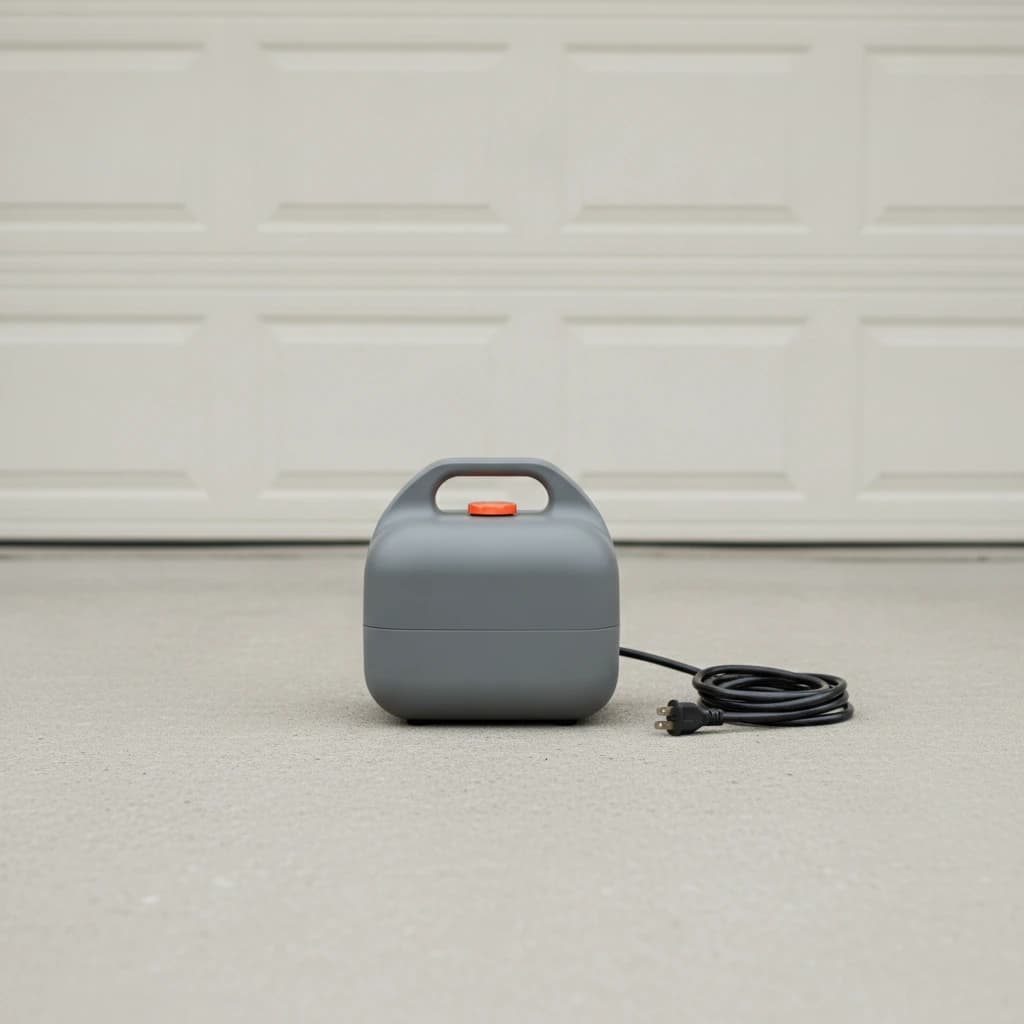
Honda
Japan · PortableThe EU inverter line is the portable gold standard. Quiet, reliable, holds its value, and priced like all three.
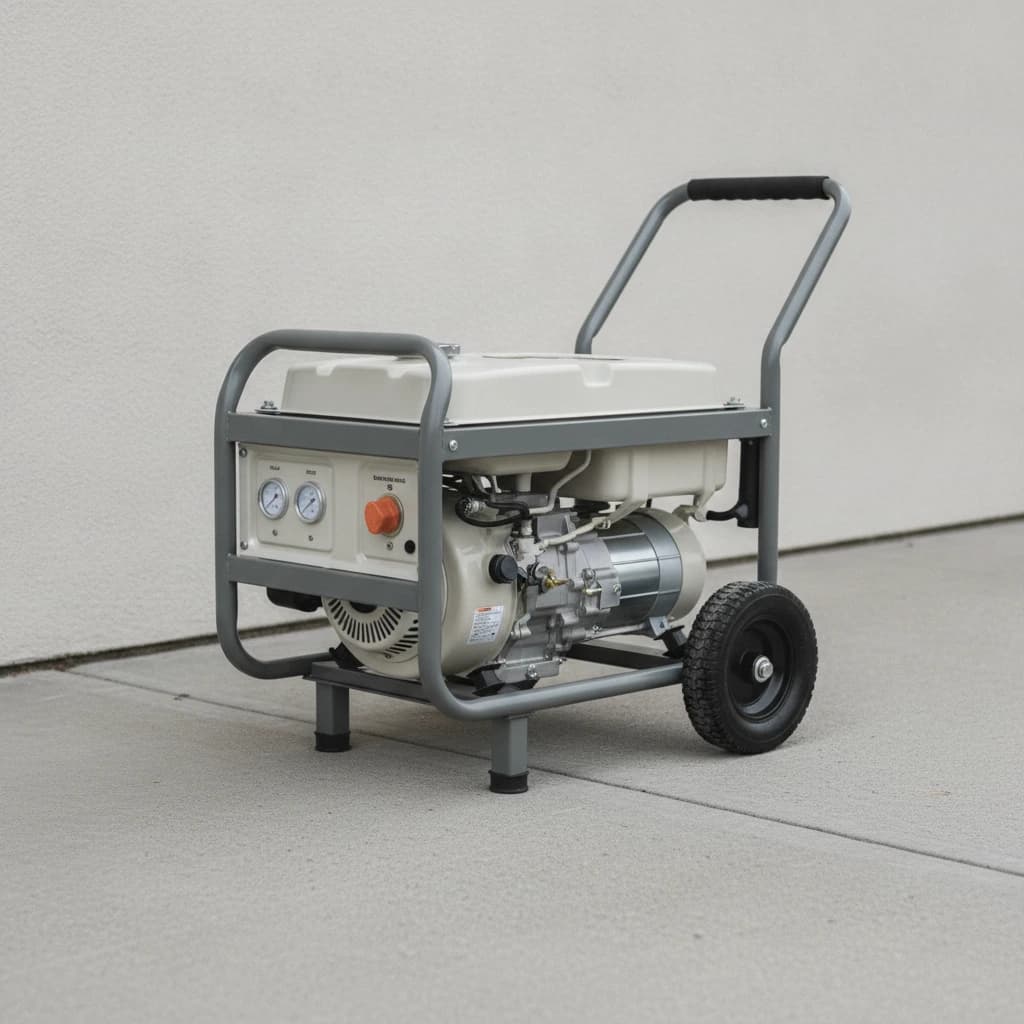
Champion
USA · PortableThe dual-fuel value pick. The most storm-duty machine per dollar, with a real company behind the warranty.
Start here
Five guides that cover the whole decision.
Read them in any order. Together they cover the real installed cost, the lane decision, the shortlist, and the safety rules that outrank everything else.
What a whole-house generator actually costs
The machine is $3,000 to $6,000. The project is $12,000 to $18,000. Every line item the product page skips.
Standby vs portable
The lane decision, keyed to your outage pattern. Two six-hour outages a year is a different answer than a week-long hurricane.
Generac vs Kohler
The head-to-head every standby buyer ends up at. Dealer network against quieter self-test and warranty.
Never run a generator indoors
The carbon monoxide rules, served straight. No products, no selling. The page to read before the storm.
What size generator do I need?
Running watts, starting surges, and why the well pump decides your size. With the free sizing calculator.
Before you buy
Home generator questions, answered straight.
- Should I get a standby or a portable generator?
- It comes down to your outage pattern, not the brand. If you lose power a few times a year for a few hours, a portable plus an interlock kit runs about $1,500 to $3,500 all in and covers the essentials. If you lose it for days at a time, or you have a well pump, medical equipment, or you travel, a standby at $12,000 to $18,000 installed starts itself and runs as long as the fuel lasts.
- What size generator do I need for my house?
- Most homes land in three sizes. Keeping the essentials on a portable, the fridge, furnace fan, lights, and one motor load, takes about 5,000 to 7,500 running watts. A standby covering the essential circuits is usually 10 to 14 kW, and a whole-house standby that runs everything is 18 to 26 kW. The number that trips buyers up is not the running watts, it is the starting surge a motor pulls for a second or two, which can be two to four times its running draw.
- How much does a whole-house generator cost installed?
- The machine is the cheap half. A whole-house standby unit is a $3,000 to $6,000 machine bolted into a $12,000 to $18,000 project once you add a concrete pad, gas line, an automatic transfer switch, an electrician, a plumber, and permits. If your outages are short and occasional, a $700 to $2,500 portable plus a $400 to $850 interlock covers a lot of homes for a fraction of that. Size the spend to your outage pattern, not the brochure price.
- Natural gas, propane, or diesel for a standby generator?
- For most homes the real choice is natural gas versus propane; diesel is mostly a large commercial and liquid-cooled option, not a typical air-cooled home unit. Natural gas gives a standby effectively unlimited runtime with no tank to fill, but most air-cooled units lose roughly 5 to 12 percent of their rated output on gas versus propane, and they stop if the gas grid goes down. Propane keeps working when the gas infrastructure fails and stores for years, but a large standby at half load burns roughly 2 to 3 gallons an hour, so tank size decides how many days you get. Dual-fuel portables give you both options in one machine.
- Do I need a transfer switch, and what does it cost?
- To power your house from a generator legally you need a transfer switch or an interlock kit, wired in by a licensed electrician, because backfeeding through a regular outlet is illegal and can kill utility workers. For a portable, an interlock kit runs about $400 to $850 installed and a manual transfer switch runs up to about $1,500. The automatic transfer switch that swaps power over the moment the grid drops belongs to the standby lane and runs roughly $2,000 to $5,000 in electrical work as part of the install.
- What does a generator cost to maintain, and how long can it run?
- A standby generator runs about $200 to $400 a year for a service contract, plus an oil and filter change and a new starting battery every two to three years. A portable costs less in dollars and more in discipline: gasoline goes stale in one to three months without stabilizer, and a gummed carburetor is the top reason a generator will not start when the storm hits, which is why propane, which does not go stale, is the quiet advantage of a dual-fuel unit. On runtime, a natural gas standby runs effectively as long as the grid gas holds, while a portable or propane unit runs as long as you keep feeding it fuel.