Generator Guide
Generator Noise Guide: Decibels, Placement and Neighbor Reality
How to compare generator noise claims, including inverter vs open-frame units, standby placement, local rules, distance, exhaust direction, and what buyers forget.
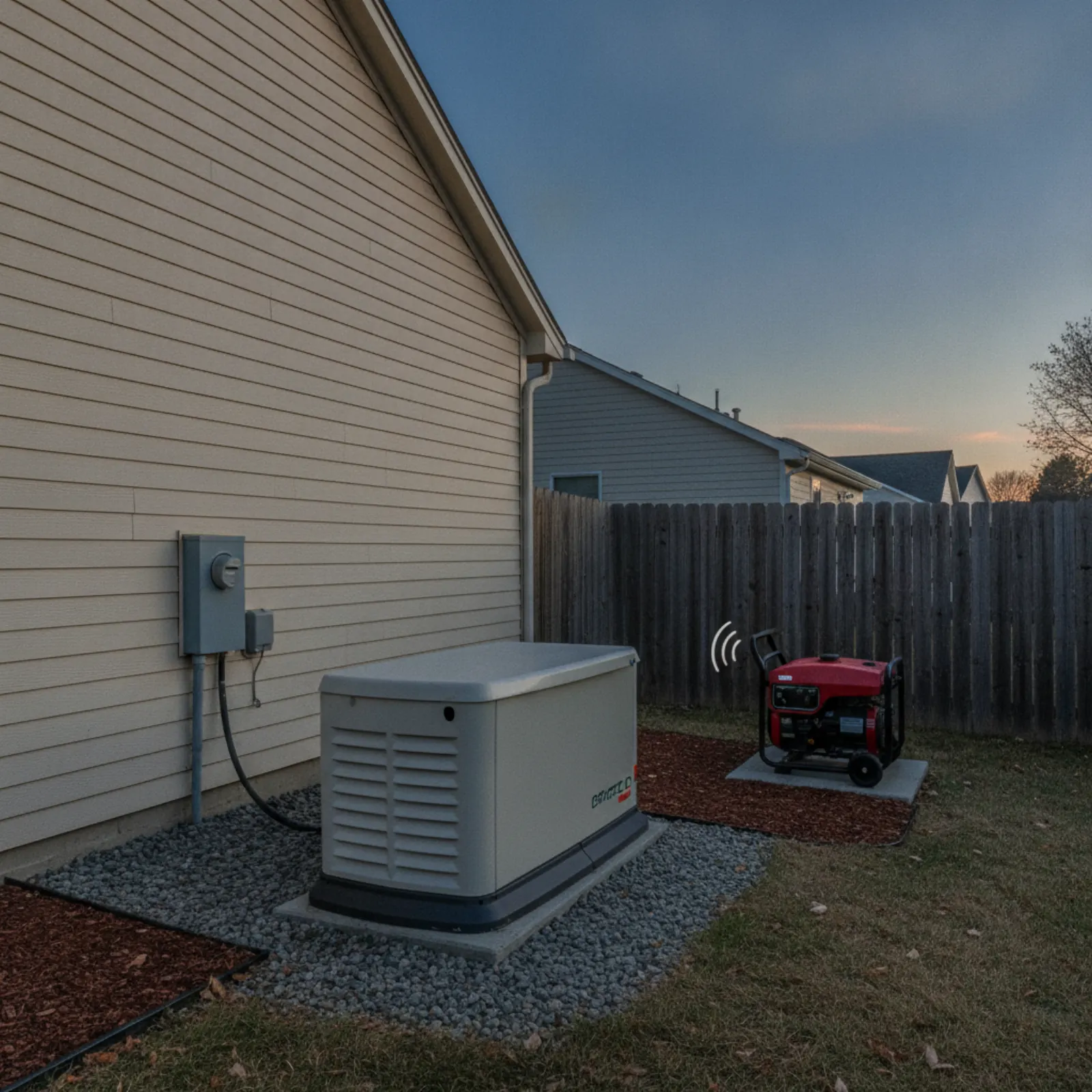
Quick answer: Generator noise is a placement and load problem, not only a decibel number. Distance, direction, walls, load, enclosure, and local rules decide whether the unit is livable during an outage.
Best for
Buyers comparing portable inverter generators, open-frame generators, or standby placement near neighbors.
Wrong fit
Anyone trying to run a generator indoors, in a garage, or in a partially enclosed space. Never do that.
Tradeoff
Quieter generators cost more, but bad placement can make even a quieter unit a neighbor problem.
Methodology
These guides are built from manufacturer documentation, public specifications, primary research where health claims matter, and repeated buyer questions that show up in real ownership and installation decisions.
Manufacturer responses can clarify pricing bands, warranty terms, support footprint, or common mistakes. They do not move a page up the shortlist on their own.
Next Step
What to do next
Use one of these three paths. They are here to move the decision forward, not add more noise.
Want the full buyer path in your inbox? We send the short version.
Related Guides
Buying Guide • Standby Generators
Generator Buying Guide 2026: Standby, Portable, Sizing and Cost
The full home generator buying decision in one page. Standby vs portable, sizing, fuel, transfer switch, installed cost, CO safety, and what to ask before you sign.
Well Pump • Sizing
Generator for Well Pump: Starting Watts, 240V and What to Ask
How to size generator backup for a well pump, including starting watts, 240V circuits, pressure tanks, transfer equipment, and why pump specs matter.
Buying Guide • Standby Generators
Generator Buying Regrets: What Owners Wish They Knew
The generator regrets owners repeat most, from the quote that doubled to wishful watts and self-test noise, each with the number and the fix.